Non Non Biyori Manga: All 16 Volumes Guide (2026)
If you’ve been eyeing Non Non Biyori and wondering how many manga volumes you need to collect — good news. The entire series is finished, fully translated into English, and sitting on shelves waiting for you. All 16 volumes are out right now. No waiting for new releases, no catching up to a moving target. Just 16 books of quiet countryside charm from start to finish.
Here’s everything you need to know about the full run, what it’ll cost, and how to get your hands on it.
Non Non Biyori Manga: Complete at 16 Volumes
Non Non Biyori (のんのんびより) is a slice-of-life comedy manga — a genre focused on ordinary daily moments rather than action or plot twists — created by Atto (あっと), who handled both story and art. If you’re new to the format, manga are Japanese comics, typically read right-to-left, that are published chapter-by-chapter in magazines before being collected into book-form volumes. Non Non Biyori was serialized (meaning its chapters were released over time in a magazine) in Monthly Comic Alive, published by KADOKAWA in Japan. The Japanese run wrapped up with Volume 16, released on March 23, 2021. All 16 volumes — covering 120 chapters total — have been translated and published in English by Seven Seas Entertainment, the company that licensed and translated the series for English-speaking readers. The final English volume arrived on July 5, 2022.
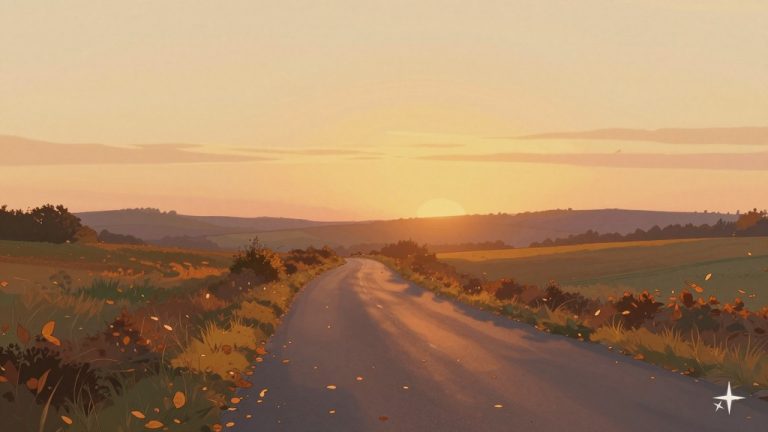
The story follows a small group of schoolchildren living in the deep countryside. When city girl Hotaru Ichijou transfers to their tiny rural school — one that combines students of all ages into a single classroom — her fish-out-of-water perspective opens a window into the slow, gentle rhythms of country life. There’s no overarching drama or high-stakes conflict. Instead, the manga finds warmth and comedy in everyday moments: catching bugs in summer, trudging through snow in winter, hanging around the village candy store run by a young local woman, and simply being kids with too much time and open space on their hands.
It’s the kind of series that’s perfect for reading when you want something calming and self-contained. Every volume is available in English paperback right now, so you can read at whatever pace feels right — binge the whole thing in a weekend or keep a volume on your nightstand for unwinding before sleep.
All 16 Volumes at a Glance
The full run spans 16 volumes published in Japan between 2010 and 2021. The manga is episodic — meaning each chapter tells its own self-contained story rather than building one continuous plot — so there aren’t dramatic turning points to mark. But here are some milestones across the series to give you a sense of how it flows and what the reading experience feels like.
| Volume | JP Release Year | What’s Happening |
|---|---|---|
| Vol. 1 | 2010 | Hotaru arrives in the countryside and meets Renge, Natsumi, Komari, and the rest of the tiny school’s students. The core cast and setting are established — you’ll quickly learn each character’s personality and what makes the group dynamic funny. |
| Vol. 5 | 2013 | The group dynamics are well settled. Seasonal school events, rural adventures, and the characters’ distinct personalities drive the comedy. Expect summer bug-catching, cooking mishaps, and Renge’s deadpan observations stealing entire chapters. |
| Vol. 8 | 2015 | Roughly the midpoint of the series. The chapters balance humor and surprisingly tender quiet moments — the kind where characters sit on a riverbank saying nothing, and it somehow works perfectly on the page. |
| Vol. 11 | 2017 | Later chapters that deepen the relationships between the characters. The friendships feel lived-in by this point, and Atto’s art captures small gestures and expressions with real warmth. |
| Vol. 14 | 2019 | The series begins approaching its conclusion. Still episodic, but there’s a growing sense of appreciation for the time these characters have spent together — seasons turning, years passing quietly. |
| Vol. 16 | 2021 | The final volume. The story wraps up after over a decade of serialization, closing things out in a way that fits the series perfectly. |
All 16 volumes are available in English. The table above just spotlights a handful of milestones — you’ll want every volume for the full experience, since the charm is in the accumulation of small, funny, heartfelt everyday moments.
What a Complete Set Costs
The Seven Seas Entertainment paperback is the only confirmed English print edition of Non Non Biyori. Each volume is a standard softcover book (sometimes called a trade paperback). That means collecting the full series requires buying all 16 individual volumes — there’s no box set or omnibus (a single book collecting multiple volumes together) available as of this writing.
Seven Seas manga volumes typically carry a list price in the range of roughly $12–$13 USD per volume, which puts a full 16-volume set somewhere around $190–$210 at full retail pricing. Actual prices vary by retailer and format, but that gives you a working number for budgeting purposes.
Sixteen volumes at those prices adds up, but there are ways to soften the hit:
- Buy gradually. There’s no rush. Pick up a few volumes at a time and spread the cost over weeks or months. The episodic format actually works well with this approach — each volume stands on its own.
- Shop used. Since the series finished its English run back in 2022, used copies in good condition turn up regularly at secondhand bookstores and online resellers.
- Watch for retailer sales. Major seasonal sales at bookstores and online retailers can knock meaningful amounts off manga purchases. Membership programs at certain retailers also help.
- Consider digital. If shelf space or budget is a concern, check digital storefronts — ebook versions, when available, sometimes come in below print pricing.
The upside of Non Non Biyori being a completed, mid-length series is that the total cost is predictable. You won’t get halfway through and find out there are 30 more volumes to go.
How the Final Volume Wraps Up the Story
Volume 16 closes out a manga that ran for over a decade of serialization and 120 chapters. Without spoiling anything specific: the ending stays completely true to the gentle, warm tone that defines the entire series. If you’ve read even a single volume of Non Non Biyori, you already know what to expect from its farewell — and that consistency is exactly the point.
There are no cliffhangers. No sudden tonal shifts. No dramatic revelations shoehorned in at the last minute. The story reaches a natural stopping point that feels earned after 16 volumes of watching these characters grow up in their quiet corner of the countryside.
For readers who love episodic, low-stakes manga, this is the kind of ending that feels like a warm goodbye rather than a dramatic conclusion. You close the final volume and feel good. That’s it. That’s enough.
Volume 16 is the last book you’ll need to finish the series completely.
Non Non Biyori, Vol. 16 (final volume)
Which Edition to Buy for a Full Set
This one’s straightforward: the Seven Seas Entertainment paperback is the only English-language edition of Non Non Biyori. There’s no omnibus, no hardcover collector’s edition, and no special format to choose between. Every volume from 1 through 16 is a consistent softcover book, so your shelf will look uniform when you line them all up.
The series is rated for ages 14–17 by the publisher. Content-wise, this is one of the most genuinely wholesome manga you’ll find — the series revolves around kids playing outdoors, navigating school life, and enjoying quiet rural days. The publisher’s age rating is the official guidance, so use that as your benchmark when deciding who to buy it for.
After You Finish: The Sequel Spinoff
Once you’ve read all 16 volumes and want more time in this world, there’s a follow-up series called Non Non Biyori Remember (のんのんびより りめんばー, the title in Japanese). This continuation revisits the same setting and characters. Whether this has received or will receive an English release is worth checking with Seven Seas’ catalog or your preferred retailer — as of this writing, an English license has not been confirmed, but that can change. It exists for anyone who isn’t ready to leave the countryside behind just yet.
A Note on the Anime
Non Non Biyori also has an anime adaptation — an animated TV series based on the same story. If you’ve already seen the anime and are wondering whether the manga is worth reading too — yes, the source material has its own charm that the adaptation can’t fully capture. Atto’s art style is wonderfully expressive, and the pacing of reading each chapter at your own speed is a different (and equally relaxing) experience.
Where to Buy Non Non Biyori in English
Since Seven Seas Entertainment is a well-distributed publisher, finding Non Non Biyori volumes isn’t difficult. Here are your main options:
- Online retailers. Amazon, Barnes & Noble, and Books-A-Million all carry Seven Seas titles. Availability for individual volumes may vary, but the full series should be searchable.
- Local bookstores and comic shops. Any store that stocks manga can order Seven Seas titles if they don’t have them on the shelf. Supporting local shops is always a nice move, and staff at manga-friendly stores can often help you track down specific volumes.
- Digital storefronts. Check platforms like Kindle, Kobo, and BookWalker (a manga-focused digital store) for potential ebook availability. Digital versions are convenient if you want to start reading immediately or prefer not to store 16 physical books.
- Used and secondhand. For a completed series that’s been out for a few years, used copies circulate reliably. Online secondhand marketplaces and local used bookstores are both worth checking.
One practical tip: if you’re buying the full set at once, check whether any retailer offers a bundle or cart discount for buying multiple volumes together. It doesn’t always happen, but when it does, the savings on a 16-volume purchase are noticeable.
—
Non Non Biyori is one of those rare manga that doesn’t demand homework — no complex plot to track, no character guide to reference, no fan wiki to consult. That’s not a limitation; it’s a deliberate choice, and it’s what makes the series so good at what it does. You open a volume, spend some time in the countryside with a handful of funny, endearing kids, and come away feeling a little lighter. Sixteen volumes is the perfect length for that kind of experience: long enough to feel like you really lived in this world, short enough that finishing the whole thing feels completely doable. Enjoy it.